Expert Advice on Fence Restoration Reston VA & Surrounding Areas
Fence restoration is a key step in maintaining your property’s security, aesthetics, and value. Homeowners in Reston, VA, and nearby areas such as Herndon, Vienna, Ashburn, and Great Falls often face challenges with weathered, damaged, or aged fences. Whether you have wood, vinyl, or metal fences, proper restoration can extend the lifespan, improve appearance, and prevent costly replacements. With expert guidance, property owners can tackle cleaning, repair, and refinishing tasks effectively, keeping fences strong and visually appealing for years to come.
Why is fence restoration important for homeowners in Reston?
Over time, fences can deteriorate due to sun exposure, rain, pests, or normal wear. Restoring your fence prevents structural damage, prolongs its lifespan, and maintains your home’s curb appeal. In Reston’s climate, moisture can lead to wood rot or metal rust if left untreated. Expert restoration advice helps homeowners address these issues before they become major problems, saving money and preserving property value.
How do I assess the condition of my fence before restoration?
Start by inspecting all parts of the fence, including posts, panels, rails, and gates. Check for signs of rot, rust, cracks, or loose boards. Look for leaning sections or damaged hardware. Homeowners in Reston and nearby Vienna often perform a seasonal inspection in spring or fall. Identifying the problem areas early ensures a more effective restoration process.
What tools are needed for fence restoration?
Common tools include a pressure washer or hose, scrub brushes, sandpaper, paintbrushes, wood stain or sealant, rust remover, replacement boards or panels, screws or nails, and a hammer or screwdriver. Having the proper tools allows homeowners to safely and efficiently restore their fences. Residents in Herndon and Ashburn often keep a dedicated toolkit for fence upkeep and repairs.
How do I restore a wood fence?
Wood fence restoration typically involves cleaning, sanding, and applying a protective stain or sealant. Remove dirt, mildew, and old paint or finish before sanding rough areas. Apply a weather-resistant sealant or stain to protect against moisture and UV damage. Repair or replace any damaged boards or posts. Many Reston homeowners follow this process every 2–3 years to maintain their fences.
How do I restore a vinyl fence?
Vinyl fences are low-maintenance but may still require cleaning and minor repairs. Use a soft brush or pressure washer to remove dirt, mold, or stains. Replace cracked or broken panels as needed. Vinyl does not require staining or painting, but regular inspections prevent long-term damage. Homeowners in Reston and Great Falls often perform vinyl fence cleaning quarterly.
How do I restore a metal fence?
Metal fences can rust or corrode over time. Start by cleaning the surface, removing dirt and debris. Sand away rust spots and apply a rust-resistant primer or paint. Check for loose bolts or hardware and replace if necessary. Regular metal fence maintenance in Reston helps prevent corrosion and preserves structural integrity.
Can I do fence restoration myself or should I hire a professional?
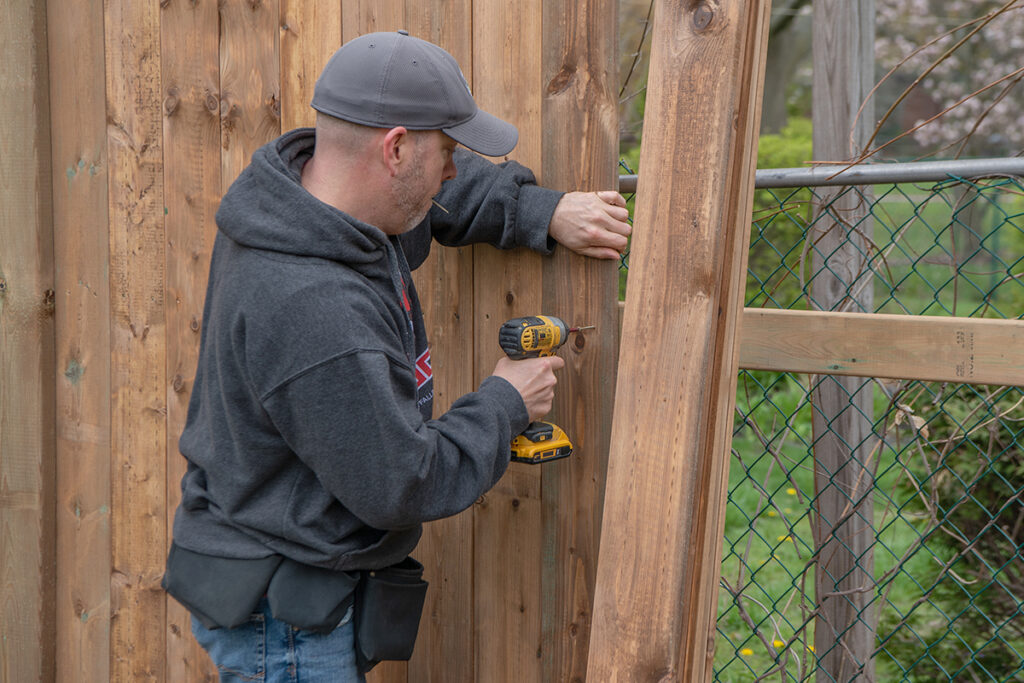
Minor cleaning, sanding, and small repairs can often be done as DIY projects. However, major structural repairs, extensive rot, or large-scale restorations are best handled by professionals. Hiring experts in Reston ensures the fence is restored safely and effectively. Professionals also provide guidance on materials, finishes, and techniques for long-lasting results.
How often should fences be restored?
The restoration frequency depends on fence type and exposure. Wood fences may need restoration every 2–3 years, vinyl every 3–5 years, and metal fences as needed based on rust or wear. Seasonal inspections in Reston and surrounding towns help determine when restoration is necessary.
How does restoration improve fence longevity?
Restoration protects fences from environmental damage and wear, keeping them structurally sound and visually appealing. Treating wood with sealant, cleaning vinyl, and preventing rust on metal fences extends the lifespan significantly. Proper restoration ensures the fence continues to provide security, privacy, and curb appeal.
What are the top tips from experts for effective fence restoration?
Experts recommend inspecting fences regularly, cleaning thoroughly, repairing damage promptly, and applying protective finishes. Use high-quality materials for repairs and consider professional guidance for complex issues. Homeowners in Reston and Herndon often follow a checklist to ensure no steps are missed during restoration.
Final Thoughts
Fence restoration in Reston, VA, and surrounding areas like Herndon, Vienna, Ashburn, and Great Falls is essential for maintaining property value, security, and aesthetic appeal. By following expert advice, homeowners can clean, repair, and protect wood, vinyl, and metal fences efficiently. Regular inspections, proper maintenance, and timely repairs extend fence life and prevent costly replacements. Whether tackling a DIY project or hiring professionals, fence restoration ensures your property remains safe, attractive, and well-maintained for years to come.
How often should I restore my fence?
Wood fences every 2–3 years, vinyl every 3–5 years, metal as needed for rust.
Can I restore a fence myself?
Yes, minor repairs and cleaning are DIY-friendly, but major issues may require professionals.
Do vinyl fences need paint or stain?
No, vinyl is low-maintenance and only requires cleaning and minor repairs.
How do I prevent rust on metal fences?
Clean regularly, sand rust spots, and apply rust-resistant primer or paint.
Why is regular fence restoration important?
It extends fence life, prevents damage, and maintains both security and curb appeal.