
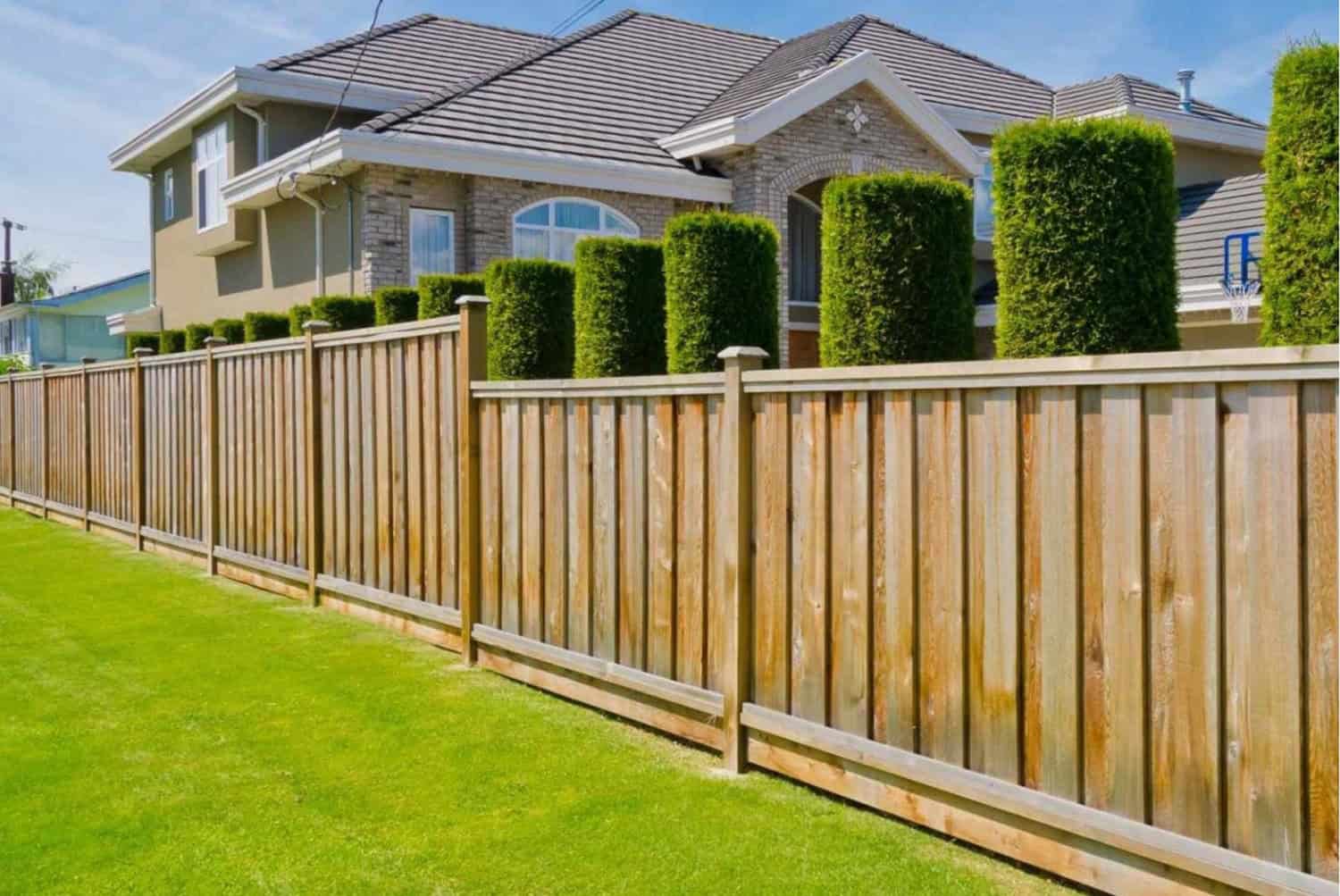
Regular Fence Inspection Guidelines in Residential and Commercial Areas
Regular fence inspection guidelines are essential for homeowners and businesses to maintain safety, appearance, and durability. Residents in towns and communities such as [insert main town/city], surrounding neighborhoods, and nearby areas rely on regular inspections to detect damage, rot, rust, loose posts, or other issues early. Proper inspection ensures fences remain secure, extend their lifespan, and comply with local regulations while maintaining aesthetic appeal for residential and commercial properties.
Why Are Regular Fence Inspections Important?
Regular inspections help identify structural damage, weathering, and safety hazards before they become costly repairs. Property owners in surrounding areas rely on inspections to maintain security, prevent accidents, and preserve the fence’s longevity.
What Should Be Checked During a Fence Inspection?
During inspections, it is important to examine posts, panels, gates, hardware, paint, and potential rot or rust. Homeowners and commercial property owners in nearby towns use these checks to ensure stability, safety, and visual appeal.
How Often Should Fences Be Inspected?
Fences should be inspected at least twice a year and after major storms or weather events. Property owners in local towns and surrounding communities schedule inspections seasonally to prevent deterioration and ensure safety.
Can Regular Inspections Prevent Costly Repairs?
Yes, identifying issues early allows for minor repairs before they escalate. Residents and business owners in surrounding areas save time and money by addressing small problems promptly, extending fence lifespan.
What Are Common Signs That a Fence Needs Repair?
Signs include leaning posts, loose panels, cracked wood, rusted metal, sagging gates, or peeling paint. Homeowners and commercial property owners in nearby towns rely on inspections to spot these issues early.
Do Commercial Properties Require Different Inspection Guidelines?
Yes, commercial fences often face heavier use, higher security requirements, and more environmental exposure. Businesses in surrounding towns schedule inspections more frequently and may include additional safety checks for high-traffic areas.
How Do Weather Conditions Affect Fence Longevity?
Sun, rain, snow, and wind can cause wood rot, metal rust, and structural weakening. Residents in nearby areas consider weather effects when planning inspections and maintenance to protect fences year-round.
Can Inspections Improve Fence Safety for Children and Pets?
Yes, inspections ensure fences remain secure, gates lock properly, and there are no gaps or hazards. Property owners in local towns and surrounding communities rely on regular checks to keep children and pets safe.
How Do Surrounding Areas Benefit from Regular Fence Inspections?
Neighborhoods and towns benefit when property owners maintain their fences. Well-maintained fences contribute to community safety, aesthetics, and property values while preventing potential hazards for residents and visitors.
Final Thought
Regular fence inspection guidelines help homeowners and businesses maintain safe, durable, and attractive fences. By following consistent inspection routines, residents in local towns and surrounding areas can prevent costly repairs, enhance security, and prolong the life of their fences.
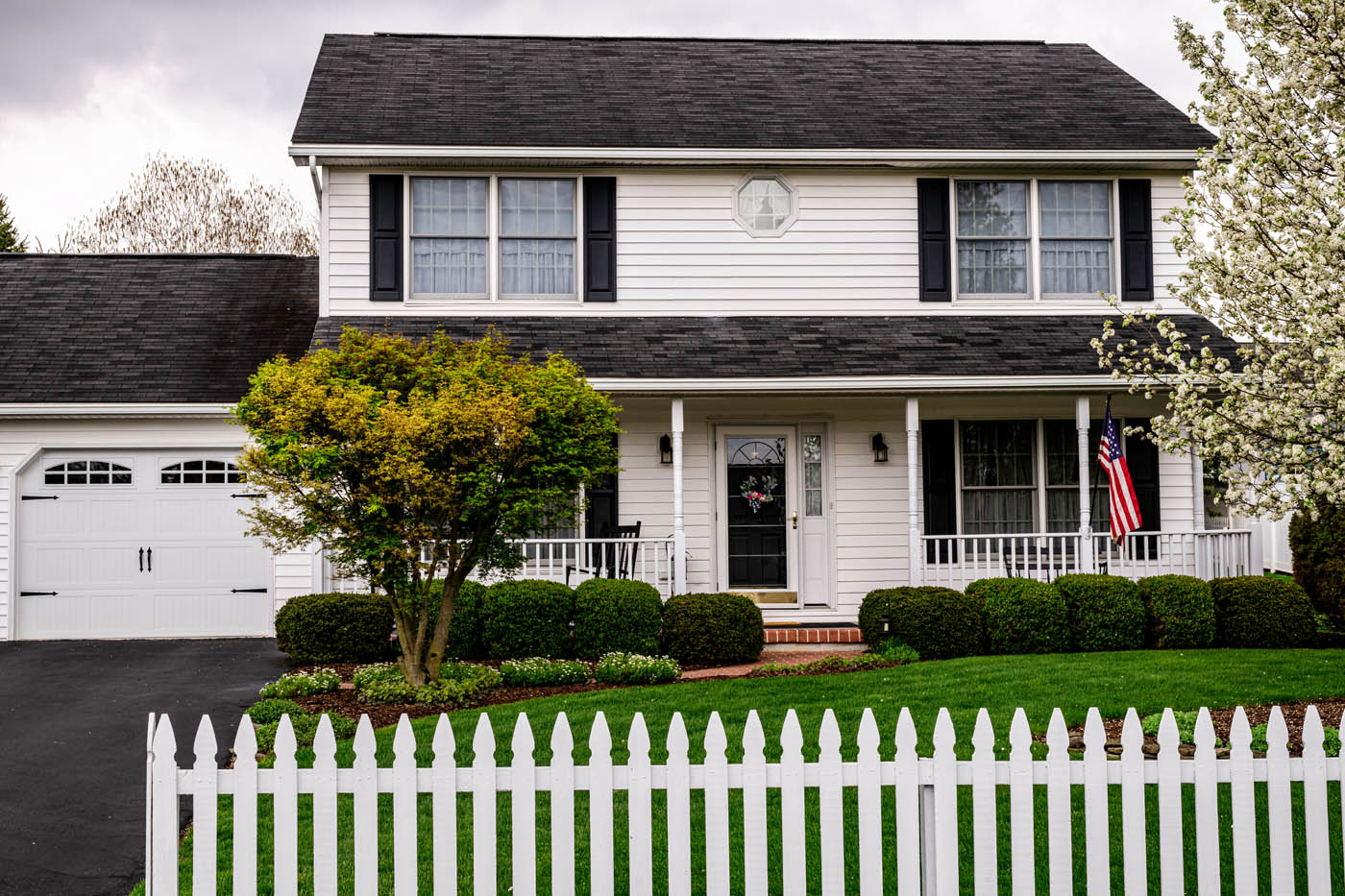
How often should I inspect my fence?
Fences should be inspected at least twice a year and after storms to identify damage early and maintain safety.
What are the most common fence issues found during inspections?
Common problems include leaning posts, sagging panels, rust, rot, and loose gates that require timely repairs to ensure stability.
Do commercial fences need more frequent inspections?
Yes, commercial fences are often exposed to heavier use and security requirements, so more frequent inspections are recommended.
Can inspections prevent expensive fence repairs?
Absolutely, early detection of minor issues allows for small repairs before they escalate into major expenses.
Do inspections improve safety for children and pets?
Yes, inspections ensure fences are secure, gates lock properly, and there are no gaps, keeping children and pets safe from hazards.